Manual Pull Station Fire Alarm Systems: A Comprehensive Overview
Manual pull stations are crucial for initiating fire alarms‚ offering a direct method for individuals to activate the system when observing a fire emergency․
Manual pull stations represent a fundamental component of comprehensive fire alarm systems‚ providing a readily accessible means for individuals to initiate an alarm in the event of a fire․ Unlike automatic detection systems that rely on sensors‚ pull stations require direct human activation‚ offering a vital layer of redundancy and control․
These devices are strategically positioned throughout facilities to ensure quick access‚ typically adhering to maximum travel distance requirements of 200 feet (61 meters) as outlined in NFPA standards․ Properly located pull stations empower building occupants – employees‚ visitors‚ and anyone on the premises – to promptly alert others and initiate the fire protection system․
Their simplicity and reliability make them indispensable‚ especially when human observation detects a fire faster than automated systems․ They can also be integrated with supervising stations for immediate signal transmission․
How Manual Pull Stations Work
Manual pull stations operate through a straightforward yet reliable mechanical process․ When the handle is pulled – either in a single or double-action motion – it activates a switch within the station․ This switch immediately closes a circuit‚ sending a signal to the fire alarm control panel․
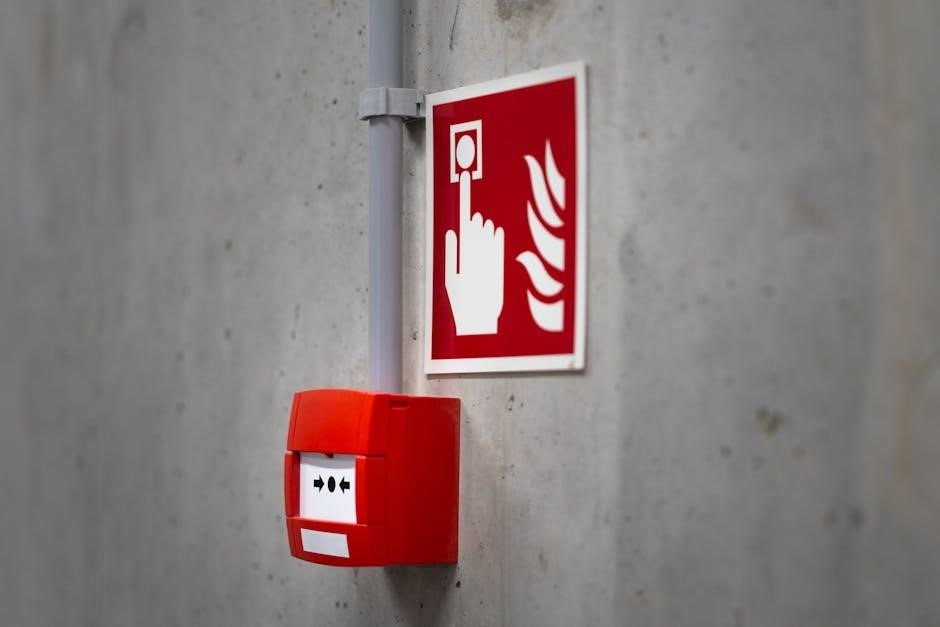
The control panel‚ upon receiving this signal‚ initiates the programmed alarm sequence‚ which typically includes audible alarms (bells‚ horns) and visual notifications (strobes)․ Depending on the system configuration‚ the panel can also transmit a signal to a supervising station‚ alerting emergency services․
The activated station remains in an alarmed state‚ clearly indicating that it has been used and requires resetting by authorized personnel․ This ensures that the alarm isn’t inadvertently silenced without investigation․
Types of Manual Pull Stations
Manual pull stations are broadly categorized into single-action and double-action types‚ each offering different levels of accidental activation protection․ Single-action pull stations activate the alarm with a single‚ immediate pull of the handle‚ providing quick response in emergencies․ However‚ they are more susceptible to accidental activation․
Double-action pull stations require two distinct motions – typically lifting a cover and then pulling the handle – to initiate the alarm․ This design significantly reduces the risk of false alarms caused by accidental contact․
Both types are available in various finishes and mounting configurations to suit different aesthetic and installation requirements‚ ensuring seamless integration into any facility․
Single-Action Pull Stations
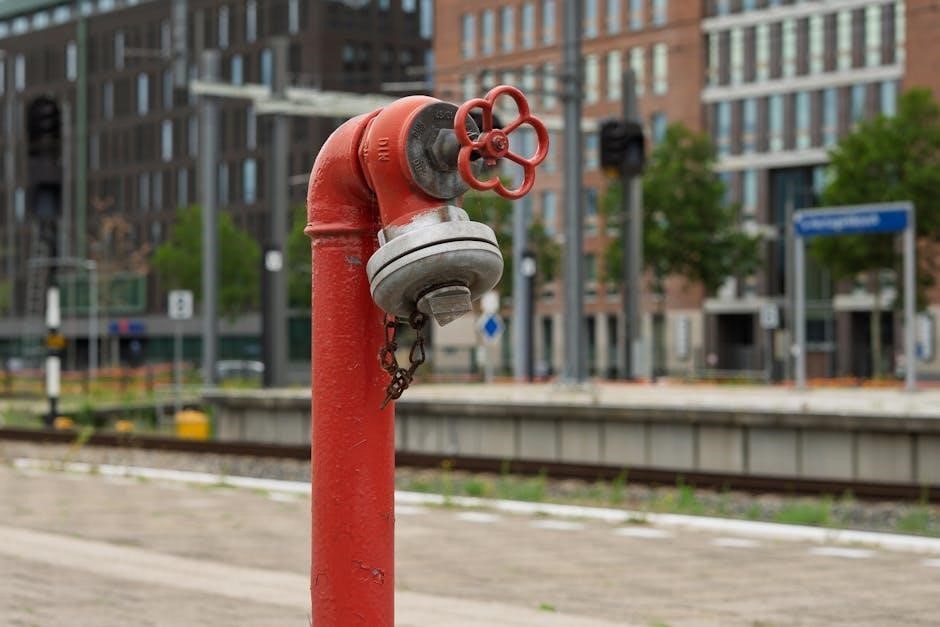
Single-action pull stations represent the most straightforward type of manual fire alarm activation․ They operate with a single‚ decisive pull of the handle‚ immediately triggering the fire alarm system․ This simplicity ensures rapid response during emergencies‚ making them ideal for situations demanding swift action․
However‚ their ease of use also means they are more prone to accidental activation․ Consequently‚ careful placement is crucial‚ avoiding high-traffic areas or locations susceptible to unintentional contact․
Despite the risk‚ single-action stations remain a common choice due to their intuitive operation and reliability when used appropriately‚ offering a direct and immediate means of alerting occupants to a fire․
Double-Action Pull Stations
Double-action pull stations are designed to minimize false alarms‚ requiring a two-step process for activation․ Typically‚ users must first break a glass cover or lift a protective shield before pulling the handle․ This deliberate sequence significantly reduces accidental activations compared to single-action models․
While offering enhanced protection against unintentional triggers‚ this added step can slightly delay activation time․ Therefore‚ they are often preferred in environments where false alarms are a significant concern‚ such as public spaces or areas with frequent accidental contact․
Despite the slight delay‚ double-action stations provide a reliable and secure method for initiating a fire alarm when a genuine emergency occurs․
NFPA Standards and Manual Pull Stations
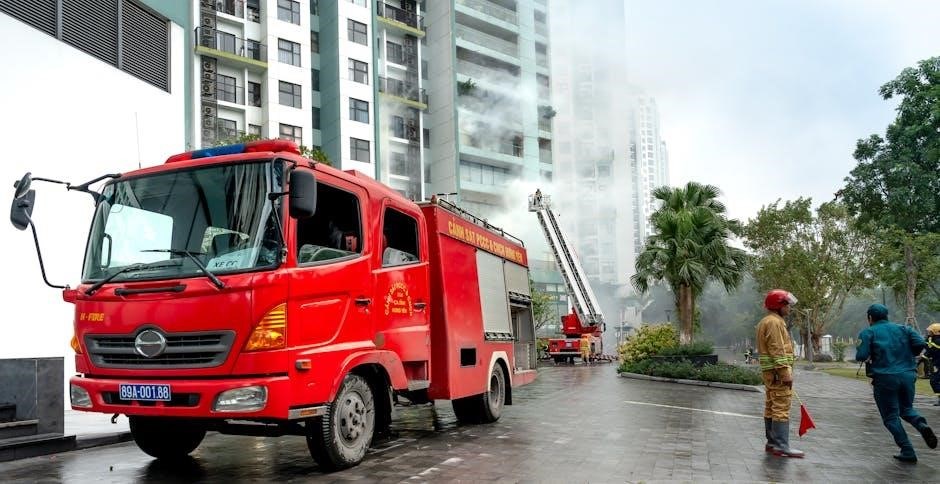
NFPA standards‚ particularly NFPA 72 (National Fire Alarm and Signaling Code)‚ govern the installation‚ maintenance‚ and testing of manual pull stations․ These standards ensure consistent reliability and functionality across various fire alarm systems․ NFPA 2001 also addresses approval of installations‚ specifically electrical components like pull stations․
Compliance with NFPA guidelines dictates aspects like maximum travel distance (200 feet/61 meters) between stations‚ proper placement‚ and required signage․ Regular inspections and annual testing‚ as outlined by NFPA‚ are crucial for verifying operational readiness․
Adhering to these standards is not merely a recommendation; it’s often a legal requirement‚ ensuring life safety and property protection․
Installation Requirements for Pull Stations
Proper installation of manual pull stations is paramount for effective fire alarm system operation․ NFPA standards mandate that additional stations be provided to ensure no point exceeds 200 feet (61 meters) of travel distance․ This measurement is horizontal‚ along the same floor‚ guaranteeing accessibility․
Placement considerations are also vital; stations should be readily visible and unobstructed‚ positioned near exits and along normal paths of travel․ They must comply with ADA guidelines for accessibility․
For systems connected to a supervising station‚ a manual pull station is required alongside automatic detection systems‚ offering a redundant activation method․
Maximum Travel Distance (200 feet / 61 meters)
Maintaining a maximum travel distance of 200 feet (61 meters) to the nearest manual pull station is a critical NFPA requirement․ This ensures that individuals can quickly and easily activate the fire alarm system‚ even during rapidly developing emergencies․ This distance is measured horizontally‚ following typical paths of egress on the same floor․
Exceeding this limit compromises the system’s effectiveness‚ potentially delaying alarm activation and hindering timely evacuation․ Strategic placement of pull stations is therefore essential to adhere to this standard‚ providing comprehensive coverage throughout the facility․
Careful planning and adherence to these guidelines are vital for life safety․
Placement Considerations
Proper placement of manual pull stations is paramount for ensuring accessibility and usability during emergencies․ Stations should be installed along normal paths of egress‚ readily visible and unobstructed․ Locations near exits‚ doorways‚ and on prominent wall surfaces are ideal․
Consideration must be given to individuals with disabilities‚ ensuring stations are mounted at accessible heights‚ complying with ADA standards․ Avoid placing stations behind obstructions like furniture or equipment; Employee and visitor awareness is enhanced through consistent and logical placement throughout the facility․
Effective placement maximizes the opportunity for manual alarm activation‚ contributing significantly to overall fire safety․
Wiring and Connectivity
Wiring for manual pull stations typically involves a normally supervised circuit‚ meaning the control panel constantly monitors the integrity of the wiring․ When a station is activated‚ the circuit is broken‚ signaling an alarm condition․ Wiring methods must adhere to local electrical codes and NFPA standards‚ ensuring reliable operation․
Connectivity often utilizes a pair of wires – one for power and one for the alarm signal – running back to the fire alarm control panel․ Supervising station integration requires dedicated communication pathways‚ often through a monitored circuit․ Proper grounding and wire gauge are crucial for minimizing false alarms and ensuring system stability․
Supervising Station Integration
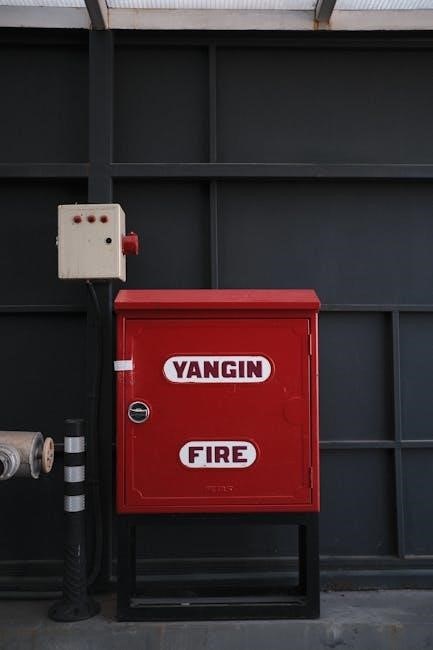
Integrating manual pull stations with a supervising station provides 24/7 monitoring by a central station‚ enhancing response capabilities․ When a pull station is activated‚ the supervising station receives an immediate signal‚ verifying the alarm and dispatching emergency services․ This is particularly vital for unoccupied buildings or during off-hours․
Fire alarm systems employing automatic detection or waterflow devices require a manual pull station for initiating signals to the supervising station․ Dedicated communication lines‚ like telephone or IP networks‚ transmit alarm data securely․ Reliable connectivity is paramount; regular testing ensures consistent communication between the fire panel and the central monitoring facility‚ guaranteeing a swift and effective response․
Single vs․ Two-Stage Pull Stations
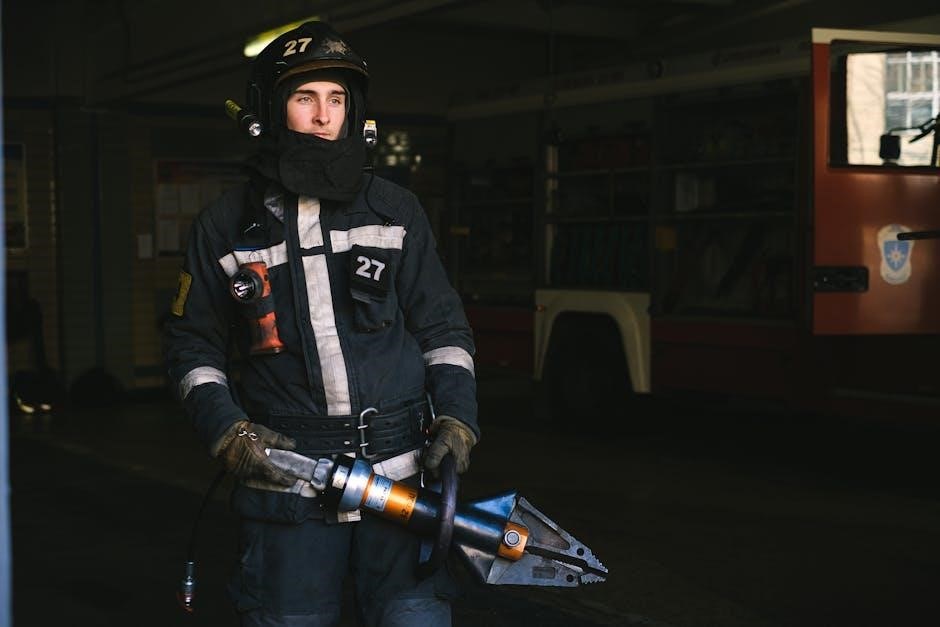
Single-stage pull stations activate the alarm immediately upon pulling the handle‚ offering a direct and rapid response․ Conversely‚ two-stage pull stations require an additional action – lifting a cover or breaking glass – before the handle can be pulled‚ reducing accidental activations․
Two-stage models provide an extra layer of protection against false alarms in high-traffic areas․ Herbert Williams offers both single and two-stage options‚ catering to diverse facility needs․ The choice depends on the environment; single-stage are suitable where quick activation is critical‚ while two-stage are preferred where accidental pulls are a concern․ Proper selection enhances system reliability and minimizes unnecessary dispatches․
Maintenance and Testing
Regular inspection procedures are vital for ensuring manual pull stations function correctly; These include visually checking for damage‚ obstructions‚ and proper labeling․ Annual testing requirements‚ as dictated by NFPA standards‚ involve activating each pull station to verify a signal transmission to the fire alarm control panel and supervising station․
Consistent maintenance prevents failures and guarantees reliable operation during emergencies․ Documentation of all inspections and tests is crucial for compliance and accountability․ Replacement or repair of faulty components should be performed promptly․ Herbert Williams provides accessories and components for maintenance․ Proper upkeep extends the lifespan of the system and safeguards lives․
Regular Inspection Procedures
Routine visual inspections of manual pull stations should confirm they are unobstructed‚ undamaged‚ and readily accessible․ Check for missing or damaged labels‚ ensuring clear visibility of instructions․ Verify the pull handle moves freely and isn’t compromised by corrosion or debris․ Inspect the surrounding area for any potential obstructions that could hinder access during an emergency․
Document all inspection findings‚ noting any deficiencies or required repairs․ These inspections should be conducted regularly‚ ideally monthly‚ to maintain system reliability․ Consistent checks help identify potential issues before they escalate into failures‚ ensuring the pull station operates as intended when needed․
Annual Testing Requirements
Comprehensive annual testing of manual pull stations is essential to verify full functionality․ This involves activating each station to confirm it accurately transmits an alarm signal to the fire alarm control panel and‚ if connected‚ the supervising station․ Document the response time and signal clarity for each pull station tested․
Testing should be performed by qualified personnel familiar with the fire alarm system․ Any discrepancies or failures must be promptly addressed and documented․ Annual testing ensures the system meets NFPA standards and remains reliable in an emergency․ Proper record-keeping is vital for demonstrating compliance and maintaining a safe environment․
Components of a Manual Pull Station
A typical manual pull station comprises several key components working in unison․ These include a durable housing‚ often constructed of red plastic or metal‚ designed for visibility and protection․ Inside‚ a glass rod or breakable element initiates the alarm when shattered or pulled․ A lever mechanism transmits the activation signal to the fire alarm control panel․
Additionally‚ pull stations feature a reset mechanism for system restoration post-activation․ Some models include a protective cover to prevent accidental activation․ Wiring terminals securely connect the station to the alarm system’s circuitry․ High-quality components ensure reliability and longevity‚ contributing to overall fire safety․
Benefits of Manual Pull Stations
Manual pull stations offer significant advantages in fire safety systems․ They provide a reliable‚ direct activation method‚ especially when automatic detection is slow or fails․ Human observation can often identify a fire faster than sensors‚ enabling quicker alarm initiation․ Properly positioned pull stations empower building occupants – employees and visitors – to proactively alert others to danger․
These stations complement automatic systems‚ creating a robust layered defense․ They require no electrical power for activation‚ ensuring functionality during power outages․ Furthermore‚ pull stations are relatively inexpensive to install and maintain‚ offering a cost-effective safety solution․ Their simplicity ensures ease of use in emergency situations․
Limitations of Manual Pull Stations
Manual pull stations‚ while valuable‚ possess certain limitations․ Reliance on human action means activation isn’t guaranteed; individuals may hesitate‚ be unaware‚ or be physically unable to operate them․ False alarms can occur due to accidental or malicious activation‚ disrupting operations and potentially desensitizing occupants․
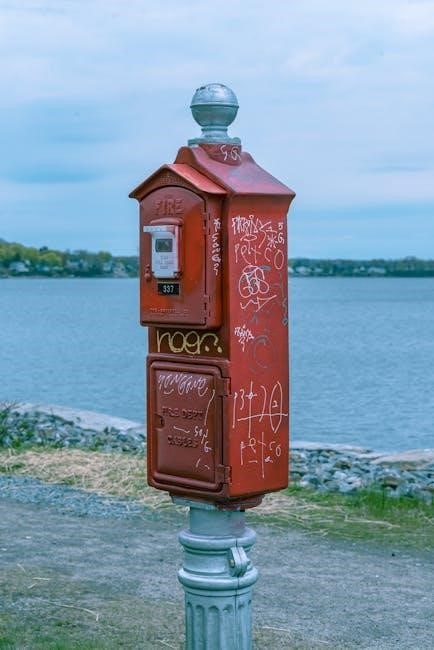
Their effectiveness depends heavily on proper placement and visibility – obstructions or poor lighting can hinder access․ Unlike automatic systems‚ they don’t provide early detection of smoldering fires․ Maintenance is crucial; damaged or obstructed stations render them useless․ Finally‚ they require individuals to be close enough to the fire to observe it and reach a pull station‚ limiting their scope․
Troubleshooting Common Issues
Common issues with manual pull stations often involve false alarms triggered by accidental contact or vandalism․ These require investigation to determine the cause and prevent recurrence․ A station that fails to activate upon pulling indicates a wiring fault‚ a broken component‚ or a problem with the alarm panel․
Difficulty resetting a pull station suggests a latching issue or a communication failure with the fire alarm control panel․ Regular inspection should identify physical damage‚ obstructions‚ or missing labels․ Troubleshooting also includes verifying proper supervision – the system should register a tamper condition if a station is removed or compromised․ Professional testing and repair are crucial for reliable operation․
Replacement Parts and Accessories
Essential replacement parts for manual pull stations include glass rods for single-action stations‚ key reset components for double-action models‚ and pull station housings if damaged․ Accessories encompass mounting brackets for varied surfaces‚ weatherproof covers for exterior installations‚ and alarm test key tools for routine functionality checks․
Maintaining a stock of these items ensures swift repairs and minimizes system downtime․ Suppliers like Herbert Williams offer both single and two-stage pull stations‚ alongside necessary accessories․ When replacing parts‚ ensure compatibility with the existing fire alarm system and adherence to NFPA standards․ Proper installation is vital for reliable operation and compliance with safety regulations․
Choosing the Right Pull Station
Selecting the appropriate manual pull station depends on the facility’s needs and NFPA guidelines․ Consider whether a single-action or double-action station is more suitable; double-action stations reduce false alarms․ Evaluate the environment – weatherproof models are essential for outdoor locations․
Compatibility with the existing fire alarm system is paramount․ Factors like wiring requirements and supervising station integration must be considered․ Life Safety Consultants and suppliers like Herbert Williams offer diverse options․ Prioritize stations that are easy to locate and operate‚ ensuring quick activation during emergencies․ Proper selection enhances overall fire safety and compliance․
Cost Considerations
The cost of manual pull stations varies significantly based on type‚ features‚ and quantity․ Single-action stations are generally less expensive than double-action models․ Weatherproof and specialized stations command higher prices․ Beyond the unit cost‚ factor in expenses for installation‚ wiring‚ and potential system upgrades for compatibility․
Suppliers like Life Safety Consultants offer competitive pricing and bulk discounts․ Remember to budget for ongoing maintenance and replacement parts․ While initial costs are important‚ prioritize quality and reliability to ensure long-term safety and compliance with NFPA standards․ A well-chosen system represents a valuable investment in protecting lives and property․
Future Trends in Manual Pull Station Technology
Emerging trends in manual pull station technology focus on enhanced reliability and integration․ Smart pull stations with self-testing capabilities and remote diagnostics are gaining traction‚ reducing maintenance needs and improving system uptime․ Wireless pull stations offer flexibility in installation‚ particularly in historic buildings or areas where wiring is challenging․
Advancements in materials aim for increased durability and resistance to vandalism․ Integration with building automation systems allows for coordinated responses to fire events․ Expect to see more sophisticated designs that blend seamlessly with architectural aesthetics․ These innovations will contribute to more effective and user-friendly fire safety systems․
Resources and Further Information
For detailed information on manual pull stations‚ consult NFPA 2001‚ specifically Chapter 7 regarding installation approvals and electrical component reviews (7;6․12)․ Life Safety Consultants ([https://www․lifesafetyconsultants․com/](https://www․lifesafetyconsultants․com/)) offer expertise and a wide selection of parts․

Herbert Williams ([https://www․herbertwilliams․com/](https://www․herbertwilliams․com/)) provides both single and two-stage pull stations‚ alongside accessories and maintenance components․ Remember to always refer to the full code text for accurate compliance information‚ as AI-generated summaries may contain errors․ Contacting professionals ensures proper system design and adherence to safety regulations․ Further research into local fire codes is also recommended․