Pendant Light Size Guide: A Comprehensive Overview (Updated 04/22/2026)
Navigating pendant light sizing requires careful consideration; proper scale enhances aesthetics and functionality, avoiding common pitfalls for a beautifully illuminated space.
Understanding Pendant Light Dimensions
Pendant light dimensions aren’t simply about height; they encompass diameter, width, and overall scale. Height, measured from the ceiling to the bottom of the shade, dictates how much space the light occupies vertically. Diameter, or width for non-circular pendants, impacts visual weight and light distribution. These measurements are crucial for ensuring the fixture complements the room’s proportions and doesn’t overwhelm or get lost in the space.
Consider the shade’s material and shape too. A wider shade casts broader illumination, while a narrower one focuses light downwards. Understanding these core dimensions is the first step towards selecting pendants that are both functional and aesthetically pleasing, harmonizing with your interior design.
Key Factors Influencing Pendant Light Size
Several key factors dictate the ideal pendant light size. Room dimensions are paramount – larger rooms necessitate larger pendants, and vice versa. Ceiling height significantly impacts length; lower ceilings require shorter pendants to avoid obstruction and maintain a sense of spaciousness. The fixture’s intended location also matters; kitchen islands demand different sizing than dining areas or entryways.
Furthermore, the room’s style plays a role. Modern, minimalist spaces often benefit from simpler, larger pendants, while traditional settings might suit smaller, more ornate fixtures. Finally, consider the surrounding furniture and décor; pendants should complement, not compete with, existing elements. Balancing these factors ensures a harmonious and well-lit space.
Pendant Light Height & Placement
Optimal pendant light height and placement are crucial for both aesthetics and functionality. Generally, pendants should hang 30-36 inches above a kitchen island or countertop, providing ample illumination without obstructing views or creating a hazard. Above dining tables, aim for 36-42 inches, allowing for comfortable conversation and visual appeal.
For standard 8-foot ceilings, pendants typically range from 28-36 inches in length. Higher ceilings necessitate longer pendants to maintain proportional balance. Consider the fixture’s diameter; wider pendants often require slightly more height. Proper placement ensures even light distribution and avoids creating shadows or glare, enhancing the overall ambiance of the room.
Standard Ceiling Heights & Pendant Lengths
The relationship between ceiling height and pendant length is fundamental to achieving a balanced look. For 8-foot ceilings, a pendant length of 28-36 inches is generally recommended, providing sufficient headroom and visual impact. With 9-foot ceilings, increase the length to 36-44 inches. Higher ceilings, 10 feet or more, demand pendants of 44 inches or longer to avoid appearing disproportionately small.
Adjustments should also consider the fixture’s style. Sleek, modern pendants can often be shorter than more ornate, traditional designs. Always prioritize maintaining at least 75-78 inches of clearance from the floor to the bottom of the pendant for safe passage and comfortable use of the space below.
Pendant Light Height Above Surfaces (Dining Tables, Islands)
Optimal pendant height above dining tables and kitchen islands significantly impacts both aesthetics and functionality. For dining tables, a common guideline is to hang pendants 30-36 inches above the table surface, ensuring they don’t obstruct views or conversations. Over kitchen islands, a height of 36-42 inches is typically preferred, providing ample task lighting without feeling cramped.
For multiple pendants, maintain consistent heights. If ceilings are lower, slightly reduce these measurements, but never compromise safety clearance. Consider the pendant’s purpose; decorative pendants can be hung slightly higher, while those intended for focused task lighting should be lower. Prioritize a comfortable and visually appealing arrangement.
Pendant Light Diameter & Width
Determining the correct pendant diameter and width is crucial for proportional lighting. A general rule is to add the length and width of the room in feet, then convert that total to inches – this suggests a suitable diameter for a single pendant. For kitchen islands, a common approach is to leave 12-18 inches between the pendant’s edge and the island’s perimeter, ensuring comfortable movement.
Consider the island’s shape; rectangular islands benefit from multiple pendants arranged linearly. Smaller pendants work well in clusters, while larger islands may require fewer, wider pendants. Avoid overwhelming the space with overly large fixtures, or losing impact with pendants that are too small. Balance visual weight and functionality.
Determining Diameter Based on Room Size
Calculating pendant diameter based on room size ensures visual harmony. A simple method involves summing the room’s length and width in feet, then converting the total to inches – this provides a starting point for the pendant’s diameter. For instance, a 12ft x 14ft room (26ft total) suggests a 26-inch diameter pendant.
However, this is a guideline, not a rigid rule. Ceiling height and room function also matter. Larger rooms can accommodate multiple pendants or a single, substantial fixture. Smaller rooms benefit from proportionally smaller pendants to avoid a cluttered appearance. Always consider the overall aesthetic and desired ambiance. Don’t forget to account for furniture placement and walkway clearances.
Pendant Light Diameter for Kitchen Islands
Kitchen island pendant sizing requires specific attention to proportion and functionality. A general rule suggests leaving at least 12 inches of clearance between the bottom of the pendant and the countertop surface. For islands 4-6 feet long, two pendants, each 20-24 inches in diameter, work well. Islands 6-8 feet long typically accommodate three pendants, around 18-20 inches each.
Larger islands exceeding 8 feet may require four pendants or a combination of pendants and a linear fixture. Ensure pendants are spaced evenly – approximately 30-36 inches apart – to maintain visual balance. Consider the island’s width; narrower islands benefit from smaller diameter pendants to avoid obstructing movement. Prioritize adequate task lighting for food preparation.
Pendant Light Groupings & Arrangements
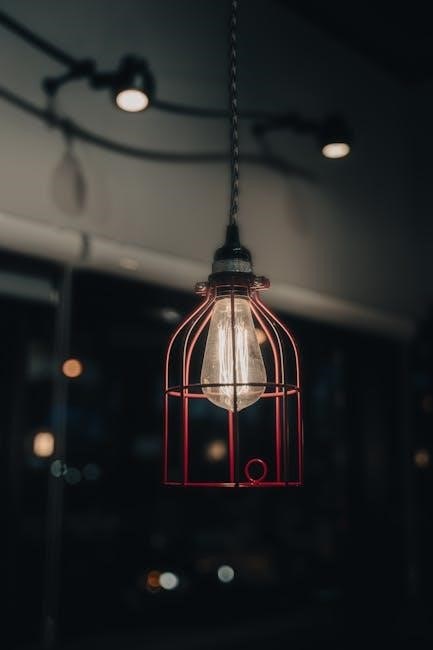
Strategic pendant light groupings dramatically impact a room’s aesthetic and illumination. For kitchen islands, odd numbers of pendants (three or five) often create a more visually appealing arrangement than even numbers. Consider staggering pendant heights slightly for a dynamic, layered effect. In dining areas, a row of pendants aligned with the table’s length provides focused light and defines the space.
When using multiple pendants, maintain consistent styles and finishes for a cohesive look. Varying heights can add interest, but avoid excessive disparity. Ensure adequate spacing – typically 30-36 inches between pendants – to prevent a cluttered appearance. Think about the room’s overall layout and how the pendants interact with other fixtures.
Number of Pendants for Kitchen Islands
Determining the ideal number of pendants for a kitchen island hinges on its size and shape. For islands 4-6 feet long, two pendants generally suffice, spaced evenly. Islands between 6-8 feet typically accommodate three pendants, while those exceeding 8 feet benefit from three to five, depending on the layout.
Consider the island’s function; a cooking island requires brighter, more focused light, potentially justifying more pendants. A seating area might prioritize a softer, more ambient glow. Odd numbers often create a more visually balanced arrangement. Ensure pendants don’t overwhelm the island or impede movement. Prioritize a consistent aesthetic and maintain appropriate spacing (30-36 inches) between each fixture.
Spacing Between Multiple Pendant Lights
Proper spacing between pendant lights is crucial for visual harmony and functional illumination. A general guideline suggests a minimum of 30-36 inches between the edges of adjacent pendants. Over kitchen islands, aim for 30 inches between the outer edges of the pendants and the island’s countertop or seating area.
For longer islands with more than two pendants, maintain consistent spacing throughout the arrangement. Consider the width of the pendants themselves; wider shades necessitate greater separation. Avoid clustering pendants too closely, as this can create a cramped and unbalanced look. Prioritize a comfortable flow of light and ensure adequate headroom, typically at least 75-80 inches from the floor to the bottom of the pendant.
Pendant Light Size for Different Rooms
Pendant light sizing varies significantly based on room function and dimensions. In dining rooms, pendants should be approximately 24-30 inches in diameter, hung 30-36 inches above the table. Kitchens benefit from smaller pendants, 16-20 inches wide, spaced appropriately over islands or peninsulas.
Entryways and foyers often utilize a single, statement pendant, typically 18-24 inches in diameter, positioned at a height of 72-84 inches. Bedrooms generally favor smaller, more intimate pendants, around 12-16 inches, hung 36-42 inches above nightstands or seating areas. Adjust these guidelines based on ceiling height and overall room scale, ensuring a balanced and proportionate lighting scheme throughout your home.
Pendant Light Size for Dining Rooms
Selecting the right pendant size for a dining room hinges on table dimensions and ceiling height. A general rule is the pendant’s diameter should be between 12-18 inches smaller than the table’s width. For rectangular tables, consider multiple pendants – an odd number often looks best – spaced evenly along the length.
Hang pendants 30-36 inches above the table surface for an 8-foot ceiling. Add 3 inches to the height for each additional foot of ceiling. Ensure sufficient clearance – at least 7 feet from the floor to the bottom of the pendant. Larger rooms may accommodate larger pendants or groupings, while smaller spaces benefit from a single, appropriately sized fixture. Prioritize creating a warm, inviting ambiance.
Pendant Light Size for Kitchens
Kitchen pendant lighting demands practicality and style. Over islands, pendants should be 28-32 inches above the countertop, allowing ample headroom. For a standard 36-inch high island, a 12-20 inch diameter pendant works well. Multiple pendants are common; space them 24-36 inches apart, center to center.
Consider the island’s length – two pendants for islands under 6 feet, three for 6-8 feet, and so on. Above sinks or work areas, smaller pendants (8-12 inches) provide focused task lighting. Don’t overcrowd the space; maintain visual balance. Layering with recessed lighting enhances overall illumination. Prioritize functionality alongside aesthetic appeal for a well-lit kitchen.
Pendant Light Size for Entryways & Foyers
Entryway pendant lights create a welcoming first impression. Ceiling height is crucial; in spaces with 8-foot ceilings, pendants should hang 75-84 inches from the floor. For higher ceilings (9-10 feet), increase the height to 84-96 inches. A single, statement pendant often suffices in smaller foyers, with diameters ranging from 12-18 inches.
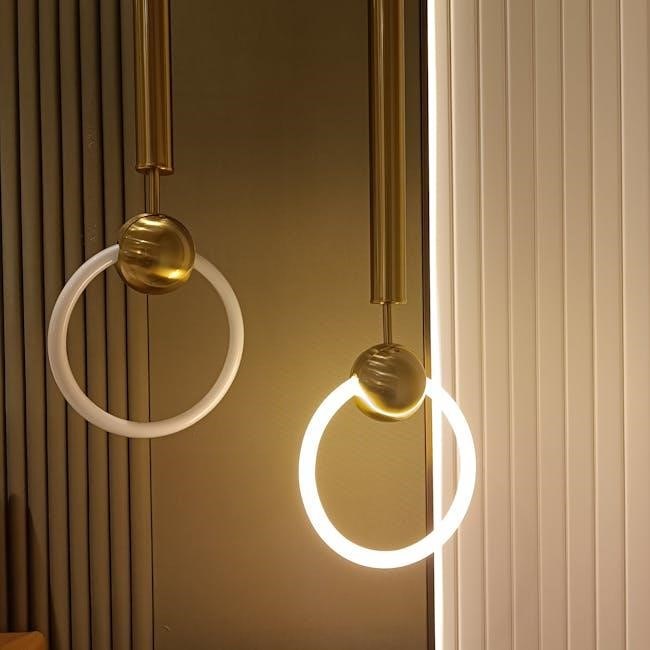
Larger entryways benefit from multiple pendants or a larger-scale fixture (24-36 inches). Ensure adequate clearance for foot traffic. Consider the width of the entryway; pendants shouldn’t obstruct passage. Scale the pendant to the overall space – a grand foyer demands a more substantial fixture. Warm lighting tones enhance the welcoming ambiance.
Pendant Light Size for Bedrooms
Bedrooms generally favor softer, more intimate lighting. Pendant lights are often used flanking a bed instead of directly above it, avoiding glare. For bedside pendants, measure from the floor to the top of your mattress and aim for the bottom of the shade to be 27-35 inches above the bed. Smaller pendants, 8-12 inches in diameter, work well in this application.
If a pendant is centered in the room, consider a diameter of 18-24 inches for a standard-sized bedroom. Higher ceilings allow for longer pendants, but maintain sufficient headroom. Dimmer switches are essential for creating a relaxing atmosphere. Avoid overly bright or harsh lighting. Prioritize a cozy and calming ambiance with appropriately scaled pendants.
Calculating the Ideal Pendant Light Size
Determining the perfect pendant size involves a bit of math, but yields optimal results. Begin with room dimensions: add the length and width of the room in feet, then convert that total into inches. This sum represents a good starting point for the pendant’s diameter in inches. For example, a 12ft x 15ft room (27ft total) suggests a 27-inch diameter pendant.
Next, consider table or island dimensions. A general rule is the pendant diameter should be approximately 1/3 to 1/2 the length of the surface. Adjust based on ceiling height; lower ceilings require smaller pendants. Don’t forget to account for the number of pendants – multiple lights necessitate smaller individual sizes.
Using Room Dimensions in Calculations
Leveraging room dimensions provides a foundational approach to pendant light sizing. Add the room’s length and width together, expressed in feet. Then, convert this total footage measurement directly into inches – this resulting number serves as a solid initial guideline for the pendant’s overall diameter. For instance, a room measuring 10 feet by 14 feet (totaling 24 feet) suggests a pendant approximately 24 inches in diameter.
Remember this is a starting point. Larger, more open-concept spaces may benefit from slightly larger pendants, while smaller rooms might require scaling down. This method offers a proportional relationship, ensuring the light fixture doesn’t overwhelm or get lost within the room’s overall scale.
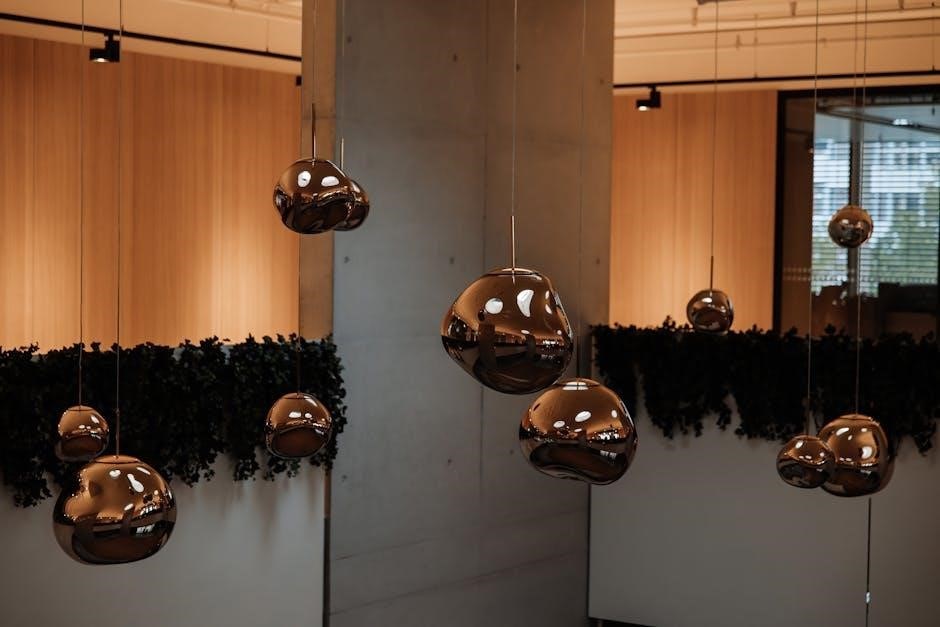
Considering Table/Island Dimensions
When positioning pendants above tables or kitchen islands, their dimensions are paramount. A general rule suggests the pendant’s diameter should be approximately half the width of the table or island. However, consider leaving at least 12 inches of clearance between the pendant’s bottom and the surface below for comfortable headroom and visual balance;
For rectangular islands, sum the shorter sides and convert to inches; this provides a suitable pendant diameter range. Avoid a single, overly large pendant dominating a small table. Multiple smaller pendants can distribute light more evenly and create a more dynamic aesthetic. Prioritize proportional relationships to ensure a harmonious and functional lighting scheme.
Common Pendant Light Size Mistakes to Avoid
One frequent error is selecting pendants that are too small for the space, resulting in insufficient illumination and a visually underwhelming effect. These can appear lost above larger tables or islands, failing to provide adequate task lighting. Conversely, pendants that are too large can overwhelm a room, creating a cramped or imposing atmosphere and potentially obstructing views.
Another mistake involves incorrect height placement – pendants hung too high lack impact, while those too low become a hazard. Ignoring the room’s overall proportions is also detrimental; a massive pendant in a small entryway feels disproportionate. Careful planning and consideration of these common pitfalls are crucial for achieving a balanced and aesthetically pleasing result.
Pendants That Are Too Small
Choosing pendants that are undersized is a surprisingly common mistake, often leading to a lackluster visual impact. Small pendants can appear insignificant above substantial features like large kitchen islands or expansive dining tables, failing to provide adequate illumination for tasks. They may seem ‘lost’ in the space, diminishing the intended focal point.
This issue isn’t merely aesthetic; insufficient light output compromises functionality. A too-small pendant won’t effectively brighten the area, requiring supplemental lighting. Consider the scale of the room and furniture when selecting pendant size. A general rule is to ensure the pendant’s diameter is proportional to the surface area it’s illuminating, avoiding a diminutive appearance.
Pendants That Are Too Large
Conversely, selecting pendants that are excessively large can overwhelm a space, creating a disproportionate and visually heavy appearance. Oversized pendants can feel imposing, particularly in smaller rooms or above modestly sized tables; They may obstruct views and create a cramped sensation, negating the desired open and airy feel.
Beyond aesthetics, large pendants can present practical challenges. They might hang too low, becoming a potential hazard or interfering with movement. Ensure ample headroom is maintained, adhering to recommended height guidelines. Consider the overall design style; a massive pendant might clash with a minimalist aesthetic. Prioritize balance and proportion to avoid a visually jarring effect.
Pendant Light Size & Style Considerations
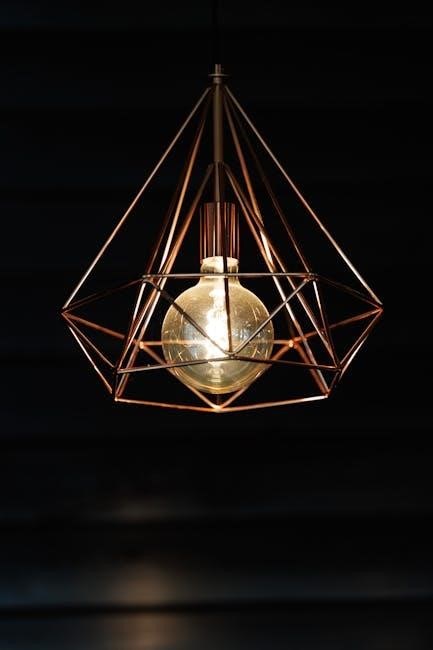
Pendant light size isn’t solely about room dimensions; stylistic elements significantly influence the ideal choice. A sleek, modern space benefits from simpler, streamlined pendants, potentially larger in scale to make a statement. Conversely, traditional interiors often pair well with more ornate, smaller pendants, maintaining a sense of delicate balance.
Ceiling style also plays a role. Lower ceilings necessitate shorter pendants to avoid a cramped feeling, while higher ceilings can accommodate longer, more dramatic fixtures. Consider the room’s décor – a minimalist room can handle a bolder pendant, while a heavily decorated room might require a more subtle choice. Ultimately, the pendant should complement, not compete with, the existing aesthetic.
Pendant Light Size and Ceiling Style
The relationship between ceiling style and pendant light size is crucial for achieving visual harmony. Lower ceilings (8 feet or less) demand shorter pendants – typically 12-18 inches – to maintain headroom and prevent a constricted feeling. Longer pendants in these spaces can overwhelm the room and become a safety hazard.
Conversely, higher ceilings (9 feet or more) offer greater flexibility. You can utilize longer pendants, creating a dramatic focal point. A general rule is to add 3 feet to the ceiling height to determine the maximum pendant length. Vaulted or sloped ceilings require adjustable pendants to ensure even illumination and a balanced appearance. Consider the slope’s angle when calculating appropriate length.
Pendant Light Size and Room Decor
Your room’s décor significantly influences pendant light size selection. Modern, minimalist spaces often benefit from simpler pendants with clean lines and moderate diameters – around 12-20 inches. These lights shouldn’t compete with the room’s overall aesthetic but rather complement it.
Traditional or ornate rooms can accommodate larger, more decorative pendants, potentially exceeding 24 inches in diameter. The pendant’s finish should harmonize with existing hardware and furniture. For example, brushed nickel complements cool-toned décor, while brass or bronze suits warmer palettes. Consider the style of your furniture; a rustic dining table pairs well with a more substantial, textured pendant.
Pendant Light Size vs. Chandelier Size
Determining whether a pendant or chandelier is more suitable hinges on room size and desired ambiance. Chandeliers generally illuminate larger spaces – typically 12×12 feet or greater – and serve as a focal point. Their expansive design and multiple light sources provide broad illumination.
Pendants excel in smaller areas or focused lighting applications, like over kitchen islands or dining tables. A single, appropriately sized pendant can offer sufficient light without overwhelming the space. Multiple pendants create a more contemporary look. Consider ceiling height; lower ceilings benefit from flush-mount or shorter pendants, while higher ceilings can accommodate longer, more dramatic fixtures. Ultimately, the choice depends on achieving balanced illumination and complementing the room’s style.
Resources for Visualizing Pendant Light Sizes
Accurately visualizing pendant light size before purchase is crucial. Several online tools and retailer features aid this process. Online room planners allow you to digitally stage your space, experimenting with different pendant dimensions and arrangements. These tools often offer 3D views, providing a realistic perspective.
Many retailer websites now incorporate augmented reality (AR) features. Using your smartphone or tablet camera, AR lets you virtually “place” pendant lights in your room, assessing their scale and aesthetic impact in real-time. This interactive experience minimizes guesswork. Explore websites like Wayfair, Pottery Barn, and Lamps Plus for AR capabilities. Don’t hesitate to utilize these resources to ensure a perfect fit and avoid costly returns.
Online Room Planners & Visualizers
Several free and paid online room planners empower you to visualize pendant lighting options within your space. These tools typically allow you to upload a room’s dimensions or create a floor plan from scratch. You can then drag and drop pendant lights, adjusting their size, height, and finish to see how they interact with the room’s existing décor.
Popular options include Planner 5D, RoomSketcher, and Homestyler. These platforms often feature extensive catalogs of lighting fixtures, including various pendant styles. Experimenting with different arrangements – single pendants, linear groupings, or staggered designs – becomes easy. Many offer 3D rendering capabilities, providing a realistic preview of the final look. Utilizing these visualizers significantly reduces the risk of selecting pendants that are disproportionate to your room.
Retailer Websites with Augmented Reality Features
Increasingly, major lighting retailers are integrating augmented reality (AR) features into their websites and mobile apps. This technology allows you to virtually “place” pendant lights in your home using your smartphone or tablet’s camera. You can see how a specific pendant looks hanging from your ceiling, considering its size, shape, and finish in relation to your existing furniture and décor.
Websites like Wayfair, Pottery Barn, and Lamps Plus offer AR viewing options for many of their pendant lights. This provides a much more accurate representation than static images or even 3D room planners. AR helps you assess the pendant’s scale and ensure it complements your space’s aesthetic. It’s a powerful tool for minimizing returns and maximizing satisfaction with your lighting choices, offering a risk-free preview before purchase.
Where to Buy Pendant Lights
A vast selection of pendant lights is available from numerous retailers, both online and in brick-and-mortar stores. For broad choices and competitive pricing, explore large home improvement stores like Home Depot and Lowe’s. Online giants such as Amazon and Wayfair offer extensive catalogs with diverse styles and price points, alongside customer reviews for informed decisions.
Specialty lighting retailers, including Lamps Plus and Lumens, curate higher-end collections and often provide design consultation services. Department stores like Pottery Barn and West Elm feature pendants aligning with their specific aesthetic. Don’t overlook smaller, independent lighting boutiques for unique and artisan-crafted options. Comparing prices and return policies across retailers is crucial before finalizing your purchase.
Popular Retailers & Brands
Several retailers consistently rank high for pendant light selection and customer satisfaction. Wayfair boasts an enormous inventory, catering to all styles and budgets. Amazon provides convenience and competitive pricing, alongside numerous brands. Lamps Plus specializes in lighting, offering expert advice and a curated collection.
For modern and contemporary designs, Lumens is a strong contender. Pottery Barn and West Elm provide stylish options aligning with their signature aesthetics. Premium brands like Arhaus and Visual Comfort & Co. offer high-quality, designer pendants. Kichler is known for its innovative designs and durable construction. Exploring these retailers ensures a wide range of choices to suit your specific needs and preferences.
Final Thoughts on Choosing the Right Pendant Light Size
Selecting the ideal pendant light size isn’t merely about aesthetics; it’s about creating a harmonious and functional space. Remember to prioritize proportionality – the light should complement the room and furniture, not overwhelm or disappear. Don’t hesitate to utilize online visualizers or augmented reality tools to preview options in your home.

Consider the overall style and ambiance you wish to achieve. A larger pendant can become a focal point, while smaller groupings offer subtle illumination. Prioritize safety by ensuring adequate clearance above surfaces. Ultimately, careful planning and consideration of these guidelines will lead to a beautifully lit and inviting space you’ll enjoy for years to come.